
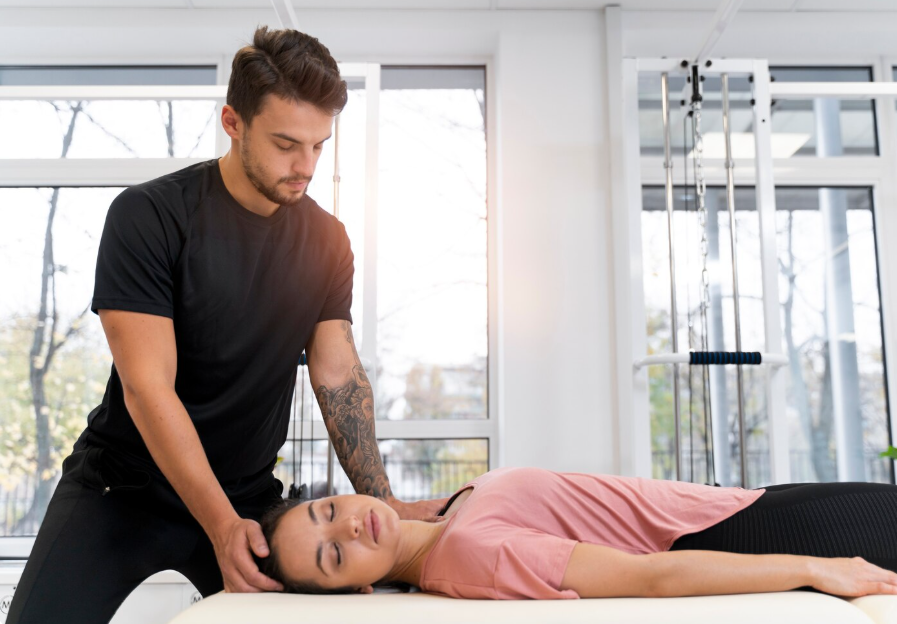
Physical discomfort can affect daily routines, reduce mobility, and make even simple activities challenging. From back pain and muscle stiffness to sports injuries and joint problems, physical issues can influence overall well-being. Physiotherapy offers a supportive approach to improving movement, managing discomfort, and rebuilding strength through personalized care and suitable exercises.
Understanding the Importance of Physical Therapy
Maintaining a healthy body requires proper movement, flexibility, and muscle strength. Poor posture, repetitive activities, long working hours, and accidental injuries can contribute to physical discomfort. When these problems continue, they may interfere with work, exercise, and everyday responsibilities.
Hillarys Physiotherapy provides a relevant starting point for exploring treatment options designed to support recovery and improve physical function. A qualified therapist can assess individual concerns, understand movement limitations, and recommend an appropriate treatment plan based on personal needs and health goals.
Effective Approaches to Pain Management
Pain management is an important part of physical rehabilitation. Discomfort in the neck, shoulders, back, or knees can make normal movements difficult. Appropriate therapeutic techniques may help reduce symptoms while improving strength and flexibility.
Treatment options can include gentle stretching, strengthening exercises, movement training, and manual therapy when suitable. These methods aim to improve physical function and help individuals become more comfortable during everyday activities.
For example, someone experiencing back discomfort may benefit from exercises that strengthen supporting muscles and improve posture. A person with shoulder stiffness may require gentle mobility exercises to restore comfortable movement. Treatment should always be adapted to the individual’s condition, abilities, and response to exercise.
Recovering From Sports and Everyday Injuries
Physical injuries can happen during exercise, household activities, or workplace tasks. Muscle strains, ligament injuries, and joint problems may restrict movement and affect confidence. A structured rehabilitation programme can help individuals gradually regain their physical abilities.
Rehabilitation often begins with manageable activities before progressing to more challenging exercises. This gradual approach allows the body to adapt while helping individuals develop strength, coordination, and stability. Professional supervision can also help identify movements that may place unnecessary stress on an injured area.
Athletes may benefit from rehabilitation exercises that focus on balance, flexibility, and sport-specific movements. These activities can support a safer return to training and competition when the injury has sufficiently recovered.
Improving Strength, Balance, and Flexibility
Good mobility allows people to remain active and independent throughout life. However, limited flexibility, weak muscles, and poor balance can make walking, climbing stairs, or standing for extended periods more difficult.
Targeted exercise programmes can help improve these abilities over time. Stretching may support flexibility, while strengthening exercises can improve muscular endurance. Balance training may also help individuals develop better movement control and confidence.
Older adults, office workers, and physically active people can all benefit from exercises selected according to their needs. Consistency is important, but activities should remain appropriate for each person’s health and physical capacity.
Developing Healthier Daily Habits
Long-term physical wellness involves more than occasional treatment sessions. Everyday habits can influence muscle health, posture, and joint comfort. Taking regular breaks from sitting, maintaining a suitable workstation, using correct lifting techniques, and staying physically active can contribute to healthier movement patterns.
A physiotherapist may recommend practical adjustments that fit naturally into a person’s routine. Simple exercises performed regularly can help maintain progress and improve awareness of body movement.
Adequate rest and gradual increases in activity are also important, particularly after an injury. Individuals should avoid pushing through severe pain and seek professional advice when symptoms persist or worsen.
Taking Steps Toward Lasting Recovery
Improving physical health requires patience, consistency, and an approach tailored to individual needs. With appropriate guidance, people can work toward better mobility, stronger muscles, and greater confidence in everyday activities.
Choosing suitable physiotherapy services can be a valuable step toward pain management and rehabilitation. A qualified healthcare professional can help identify appropriate treatment options, establish realistic goals, and monitor progress throughout recovery.
By combining professional guidance with healthy daily habits, individuals can build a stronger foundation for long-term physical well-being and enjoy a more active lifestyle.
 healthinsidermag.com