
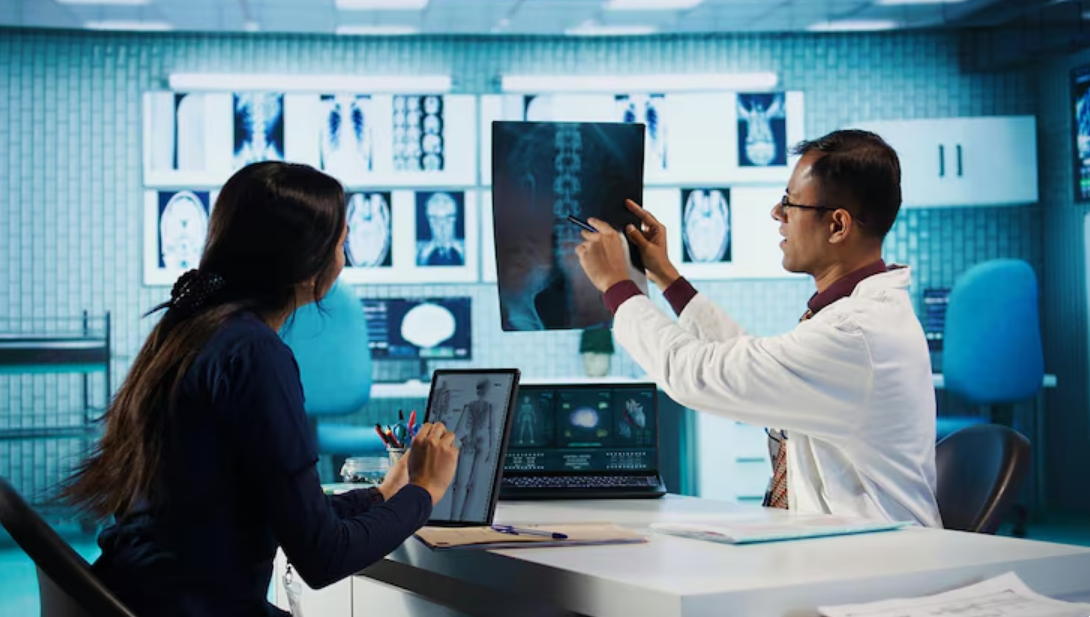
Radiology departments are under constant pressure to produce clear images, reduce delays, and manage equipment costs. Modern digital radiography helps facilities improve these areas without always requiring a complete replacement of existing X-ray equipment. Technologies such as DR detectors, retrofit solutions, and dry imaging systems can support a more practical transition toward efficient workflows.
Understanding DR Detectors
DR detectors capture X-ray information digitally and can make images available almost immediately after exposure. This can reduce the time between image capture and review, while also supporting faster patient movement through the examination process. Many modern detectors are designed to fit standard bucky trays and can be used across different examinations, providing greater flexibility for radiographers.
Making Existing Equipment More Useful
Replacing an entire X-ray system can involve significant capital expenditure and operational disruption. A DR retrofit approach provides another option. Instead of removing a functioning X-ray unit, a compatible digital detector can be introduced to upgrade its imaging capabilities.
A DR retrofit solution can therefore be useful for facilities that want to move toward direct digital radiography while continuing to use existing equipment. Compatibility is important, so technical assessment should be completed before installation. In suitable systems, retrofit solutions can provide faster image availability without requiring a complete replacement of the existing modality.
Where DRYSTAR 5302 Fits
Digital workflows do not always eliminate the need for physical images. Some departments, physicians, patients, or clinical processes may still require diagnostic-quality hard copies. This is where the DRYSTAR 5302 can have a practical role.
The DRYSTAR 5302 is a tabletop dry imager designed for high-quality printing while taking up relatively little space. Its dry imaging technology supports consistent greyscale output, while different media formats provide flexibility for various applications.
For facilities with limited space, the DRYSTAR 5302 can support convenient printing close to the point of care. Dry film also avoids traditional wet chemical processing, making daily handling simpler.
Building a Balanced Imaging Workflow
A strong radiology setup is not simply about buying the newest device. It is about selecting technologies that work together. DR detectors can improve image acquisition, while a DR retrofit can modernize suitable existing equipment. At the output stage, the DRYSTAR 5302 can provide dependable hard-copy imaging when physical films remain necessary.
Facilities should consider examination volume, available space, existing X-ray equipment, maintenance requirements, connectivity, and future expansion before making a decision. A balanced approach can help control costs while improving everyday productivity.
Conclusion
Modern radiology requires technology that is practical as well as capable. Combining DR detectors, a suitable DR retrofit, and reliable dry imaging can help facilities create a smoother imaging pathway while making better use of existing investments. Choosing the right combination requires careful evaluation of clinical needs, workflow, compatibility, and long-term operating requirements.
For healthcare providers looking to strengthen their imaging infrastructure, a specialist radiology imaging solutions provider can offer a broad technology portfolio designed around image quality, workflow efficiency, equipment longevity, and practical clinical requirements. Its approach focuses on helping imaging departments move forward with solutions that support dependable performance and evolving diagnostic needs.
 Vsquare