
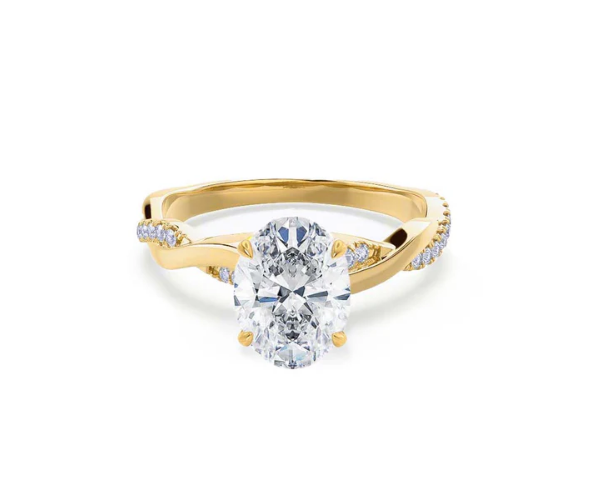
Artisanal processes have become synonymous with premium-quality design, captivating consumers who seek products that not only showcase exceptional craftsmanship but also tell a story of tradition and skill. In today’s fast-paced, mass-produced world, the value of handmade goods has soared. These products, created through painstaking techniques and with an emphasis on quality, represent an alternative to the uniformity of factory-made items. For those in search of distinctive, high-end creations, the appeal of artisanal processes is undeniable. To fully appreciate the intricacies of these designs, one can always view collections that highlight the craftsmanship behind each piece, ensuring a deeper understanding of the value they hold.
At the heart of artisanal processes is a commitment to the time-honored methods passed down through generations. Unlike mass production, where machines take over the process to reduce costs and increase efficiency, artisanal work relies on human skill and expertise. The maker’s hand is present in every step, from selecting the raw materials to finalizing the design. This direct involvement not only elevates the product’s quality but also infuses it with a sense of individuality and personality that is absent in mass-produced items. Each piece becomes unique, even if it follows a similar design pattern, because it carries the subtle marks of its creator’s touch.
One of the primary ways artisanal processes define premium-quality design is through the use of high-quality materials. Artisans often source rare or natural resources that are carefully chosen for their durability, texture, and aesthetic appeal. Whether it’s a finely woven textile, a piece of hand-forged metal, or a carefully carved wooden object, these materials contribute to the overall feel and longevity of the product. Premium design is not just about visual appeal but also about creating something that will last, and artisans are keenly aware of this. Their knowledge of materials, paired with their experience, ensures that each creation is built to endure while still being visually striking.
Another defining feature of artisanal design is the level of attention to detail. Artisans take great pride in their work, often spending hours perfecting every aspect of a product. Unlike mass production, where corners are often cut in the interest of speed and cost reduction, artisanal processes are characterized by a meticulous approach. Every stitch, carve, or brushstroke is intentional and made with care, ensuring that the final product is of the highest quality. This level of attention is what distinguishes an artisanal creation from something that is simply “good enough” to be sold. The result is a product that not only looks beautiful but feels special to the touch.
Artisanal processes also provide a sense of connection to a larger cultural or historical narrative. When one purchases an item crafted by hand, they are often investing in a piece of a particular tradition or heritage. These designs often have cultural significance, incorporating techniques or motifs that are hundreds, if not thousands, of years old. By choosing to buy artisanal goods, consumers are supporting these age-old practices and keeping traditions alive. This connection to the past adds an emotional layer to the purchase, turning a simple object into a piece of history.
Finally, the relationship between the consumer and the artisan can also influence the value placed on premium-quality design. Artisans typically create in smaller quantities, which means they are able to offer a more personalized experience. This contrasts with large brands or manufacturers that may prioritize profits over individual customer needs. When consumers choose artisanal goods, they are often engaging directly with the maker, learning about the process, and sometimes even customizing their purchases. This intimacy and exclusivity are key elements of why artisanal products are considered premium.
In conclusion, artisanal processes are foundational to what defines premium-quality design. The blend of superior materials, attention to detail, traditional techniques, and personal engagement creates products that are not only visually stunning but also carry a deeper significance. Whether it’s a piece of furniture, a luxury accessory, or a handcrafted garment, the result is a product that stands apart from the mass-produced alternatives, embodying the values of craftsmanship and individuality. For anyone in search of the finest creations, taking the time to view collections of artisanal products offers a chance to truly appreciate the care and expertise that go into each and every piece.
